
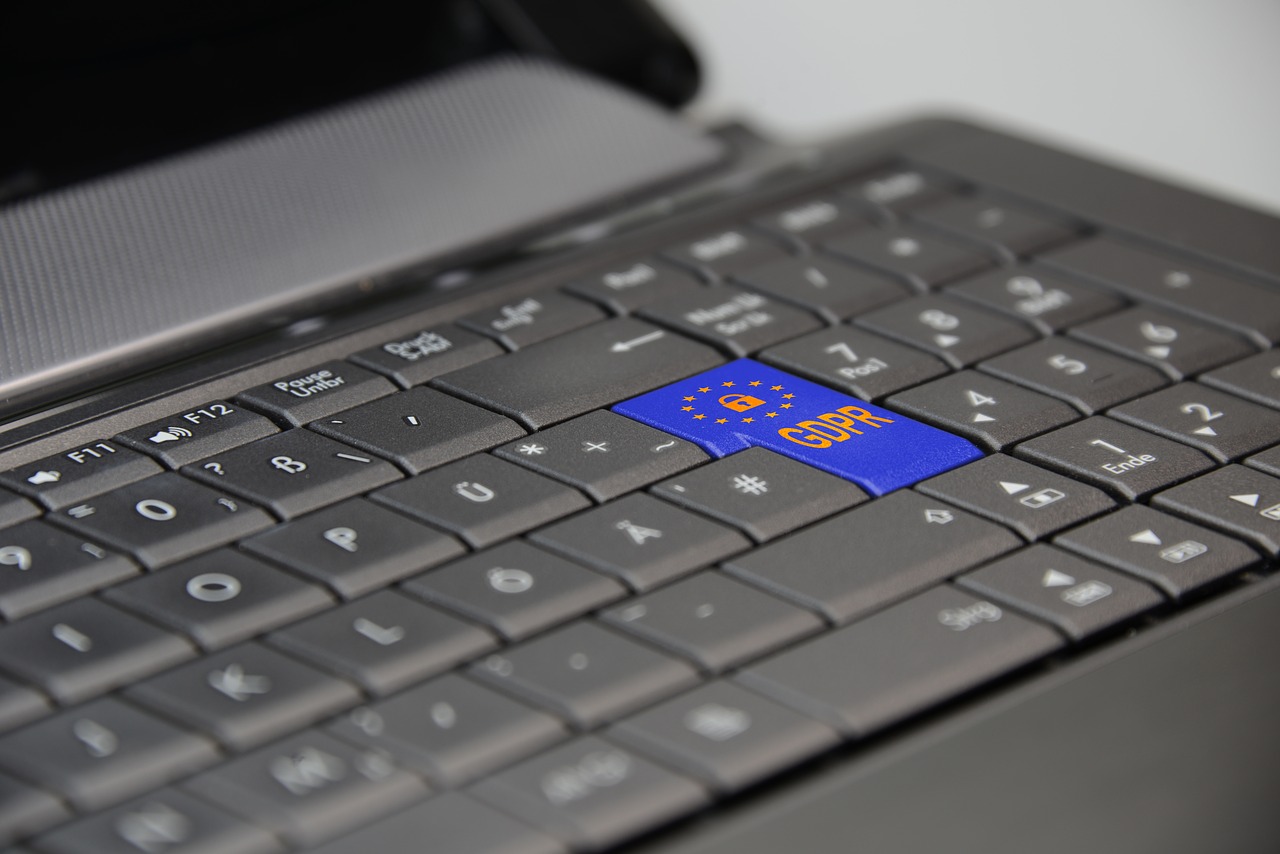
Now that GDPR is in full force, many companies and businesses are wondering what the next step is. One of the main concerns, since the announcement of GDPR back in 2016, has been the sales aspect of businesses and corporations dealing with digital marketing. Since they generally store, use or process personal data they have gathered and stored, the question of what to do next with it has arisen several times. We tried to analyze the issue around GDPR previously here, where we came to the conclusion that as long as the social network one is using to administer their business is compliant with the regulations of the EU, then nothing much is changing in the day-to-day activity for the business. Nevertheless, today we will discuss how it might affect the way sales are being handled, since one wrong step in the already compliant GDPR environment might bring a hefty penalty of up to 20 million euros, or 4% of global turnover.
Before continuing any further discussion, one of the most important components is to determine what personal data actually is. According to the European Commission (2018), personal data is defined as ‘any information that relates to an identified or identifiable living individual’. Essentially, this includes everything from personal names and surnames, home and email addresses, ID numbers, location, etc. What GDPR entails is that as long as you are respectful and careful as a business with this data, you are free to continue managing your business as before. Essentially, as long as the individual is informed that his or her data is stored and might be used for a marketing campaign, and approval has been given, the business has a green light to carry on.
Here are some general guidelines that can determine whether a sales strategy is GDPR compliant:
- Map the company’s data
This means that the business should always know what kind of data it stores, where this data has come from, how it is kept and how it is used. It is crucial for the business to have a clear picture of its data flow.
- Protection of obtained data
After many incidents involving illegally accessed data, one of the strict rules the EU implemented was the protection of data that companies hold in their databases. It is of the utmost importance that protection be a process checked every day, and that individuals be trained and employed with the sole purpose of keeping personal data safe.
- Review of privacy statements
The new regulations state that, without the individual’s consent, the business cannot keep data in its database. Hence, it is essential to review the privacy statements that individuals need to check and accept before proceeding to the next step.
- Decluttering of data
Here the business needs to decide which data is useful to keep, and which just takes up storage space and has no use for the business. The issue with keeping unneeded data is that, if the business has no real explanation for or use of this information, it cannot by default be compliant with GDPR.
These general guidelines will potentially help companies transition painlessly to a safer, EU-regulated way of managing their operations. Additionally, according to SuperOffice (2018), this has brought new opportunities for sales teams to bring innovative ideas, some old and some new, for staying ahead of the game while remaining compliant with the new set of rules. The new methods combine approaches such as sales outreach, social prospecting and social selling, purchased lead lists, networking, etc.
Ultimately, it is important to understand that the aim of GDPR is in no way to kill sales. On the contrary, it is meant to boost the trust between clients and businesses. When the individual is sure that his or her data is kept, used properly and that they are notified whenever this information is being repurposed, they will have a higher level of trust and engage more with the business. At the end of the day, isn’t this what all businesses strive to achieve?