Part one
Networking.
We have all heard about it.
Everyone explains it differently, but regardless of each person's take on it, everybody agrees that it is important for all sides.
Whether you are looking for a job or offering one, both sides need networking skills. And here is the catch: networking needs skills, requires knowledge and attention. It is not automated and cannot be, because the human component is essential to it. You may have all the right tools, the best technology and still you will need more – you will need the know-how.
When we speak about business, there is the obvious place to be – LinkedIn. LinkedIn is the biggest professional social media prospecting network today, connecting people from all over the world. The number of users doubled in the last 10 years and is around 500 million now. You will admit that this is a grandiose pool of professionals and companies networking in one place.
Yet there are some rules of the game that you need to know, and many people make mistakes in their attempt to network.
Most of these mistakes can easily be avoided and only require some more attention to detail.
If you have that dreadful feeling that you are entering a networking arena, don't worry about it, and remember, everyone has it. The benefits from networking are far bigger than that fear of showing up in front of the world. So learn how to avoid the wrong moves and achieve a good, effective networking experience.
Try networking; you might have the talent for it. And it's always exciting. We are all aware that when given a choice, people will always choose to do business with people they know or a person who was recommended by a valued and trusted contact. Networking improves your ROI.
Mistake 1. Too big a profile on LinkedIn
Adding too many people to your LinkedIn profile might seem like a good idea to you, but it comes with some downsides. It will mislead you toward irrelevant content and connections. So your primary goal of building a network that will feed you quality reading material and connections that will professionally elevate you is at risk. LinkedIn is the first and last stop for many professionals. The latest trend is that employers are viewing your profile at the same time they are viewing your resume. So make sure you are legit. Potential contacts who might offer you help with career progress will also check you out on LinkedIn. Whatever position you currently hold on LinkedIn will add legitimacy to it. There is always the possibility that someone you network with will find out more about the professional you on LinkedIn. You must be careful how you craft the summary. To attract contacts, you must demonstrate personality; if you want to be taken seriously, you cannot go without a full and professionally written LinkedIn profile. You must learn to reach out to others and respond to requests to connect in order to grow your network. One more good thing about LinkedIn is that, unlike Facebook, it separates your friends and family department from your work.
Mistake 2. Lack of participation in professional interactions
Another mistake people often make is the absence from the hotspots of their profession, like the groups, associations and other forms of interaction and discussion. You need to know about the things that are going on in your professional community: the new techniques, the new jobs, the latest software, the salaries and the important events. Make friends along the way.
Mistake 3. Poor treatment of recruiters
Networking includes recruiters: valuable ones who hold hundreds of contacts and information. They are connected to HR, managing partners, CEOs, COOs, VPs, supervisors, in-house legal counsel, legal service providers, colleagues, educators, speakers and many other resources you probably never thought of. They are updated with trends, salaries, statistics, economics and the direction. Managers are calling them, replacing people in companies…
Many people make the mistake of treating the recruiter poorly, thinking that he/she is of less importance and discrediting them with the excuse of not being directly from the firm. Don't make that mistake. Many times people ignore the call from a recruiter, later finding out that their firm is merging or transforming. And then they remember the call they didn't want to take. Try calling recruiters back; if you treat them poorly, that is the impression they will have of you, and that is the picture they will give to the firm looking for a certain profile. They have their reputation to protect and their time is precious. So treating recruiters badly is a bad decision.
Mistake 4. Poor investment in relationship building
Networking is an investment. It is a valuable investment. Continue building new relationships and nurture existing ones. Many success stories, such as Jeff Bezos or Beyonce, started from modest beginnings and “relationshiped” their way to success. You can be sure that there were people who helped them along the way. So do as we call it “relationshipping” or, with a double “p” if you prefer, “relationship-shipping”. However you want to call it, don’t underestimate it and invest the right mix of time, attention and effort in it, for it will come back to you when you least expect it.
Mistake 5. Bad choice of connections
One of the most common mistakes of almost everyone new to LinkedIn is adding people and accepting requests from irrelevant connections, just to achieve a greater number of contacts. Blindly chasing the numbers.
Quality is more important than quantity, especially on LinkedIn. Adding people just for the numbers can seriously damage the quality of your profile. Having relevant connections in your network is important so that you can exchange the right kind of information and excel in your career.
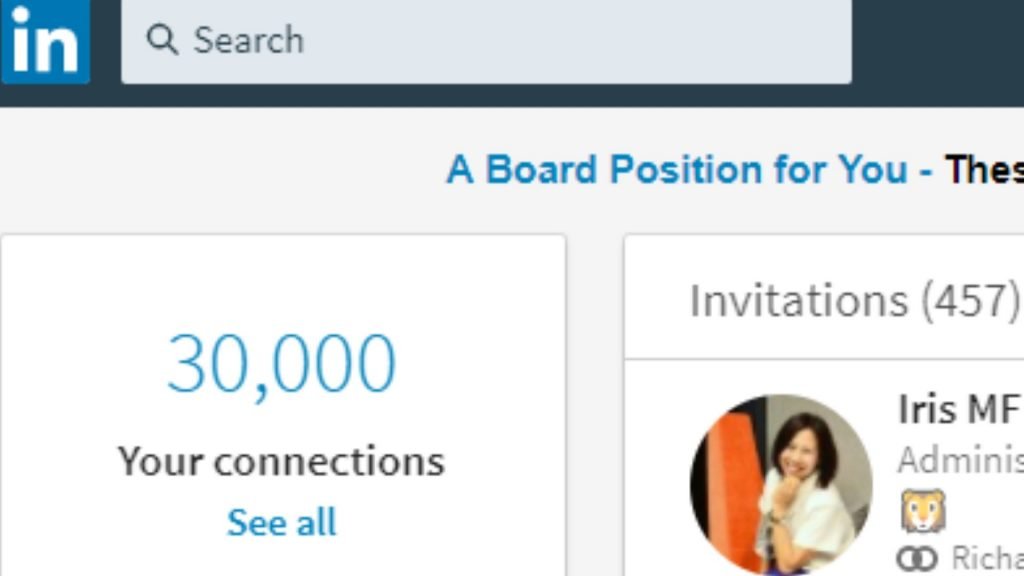
In order to keep this under control, LinkedIn has limited the number of 1st-degree connections to a maximum of 30,000 and recommends connecting only with individuals you know and trust.
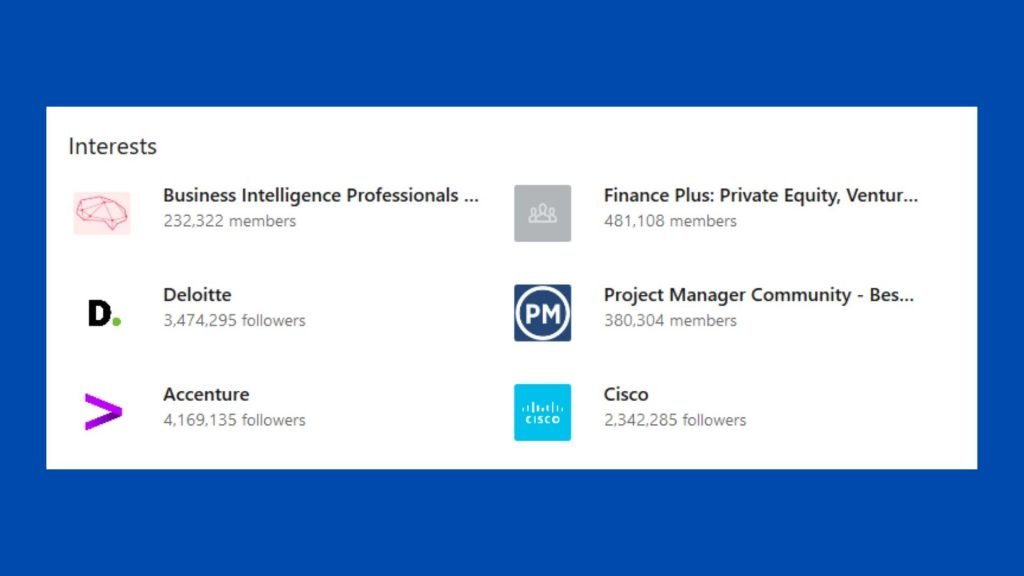
So when choosing connections, take a look at their interests and the skills they have, and choose wisely.
End of part one. Read more on the same topic in our next blog.